We propel brands
Forward
We listen first and understand deeply. We create communications that feel alive to the audiences that matter. Grounded in human insight and culture, we shape strategy, ideas, and channels with precision and purpose. We solve real problems, spark authentic connections, and build relationships that inspire change.
At Propel Health Communications, we do more than build brands; we propel their impact for communities living with rare and complex disorders.

What We Do
We are a fully remote healthcare agency made up of deeply dedicated people who are passionate about their expertise, one another, solving problems, and getting your brand and business to where it deserves to be.
Now, let’s see how we can partner together.
Brand Strategy
Brand Strategy
We craft unique, insight-driven brand expressions with clear positioning and credible messaging that connect with consumers on an emotional level.
Key Capabilities
- Insight gathering and mining
- Positioning that differentiates
- Distinct brand expression that evolves
- Foundational core messaging & content strategy
- Social strategy that meets consumers where they are

Creative
Creative
We spark big ideas and bold stories with real insights that move hearts and markets and make headlines.
Key Capabilities
- Storytelling and story-starting
- Big ideas that make a significant impact
- Messaging that moves people and the market
- Branding and logo development
- Campaigns that add value, not more distraction
- Branded experiences that ignite behavioral changes
Customer Experience
Customer Experience
We deliver experiences that connect by creating seamless, data-driven journeys across channels that use behavioral insights to optimize engagement.
Key Capabilities
- Omnichannel journey strategy
- Cross-touchpoint experience design
- Cognitive and behavioral insights that influence decisions
- Conversion and drop-off optimization
- Performance measurement and refinement
- Brand and social ecosystems
- Prospect identification and prioritization
Medical
Medical
We translate complex science into clear, evidence-based insights and narratives that empower peers, inform patients, and uphold accuracy at every touchpoint.
Key Capabilities
- Peer-to-peer strategy
- Complex data distilled into clear insights
- Core claims with reputable receipts
- Medical strategy grounded in clinical evidence
- Education that empowers informed patients
- Scientific narratives shaped for specific audiences
Media
Media
We scale authentic connections that engage patients, caregivers, and providers in the most meaningful moments with a precision and empathy that rare disorders deserve.
Key Capabilities
- Reaching the right audiences at the right time and place
- Strategic channel planning and paid execution
- Performance-led activation across touchpoints
- Real-time optimization for sustained impact
Peer-to-peer influence
Peer-to-peer influence
From advisory boards to patient experiences, we orchestrate every detail to create meaningful exchange, deepen connection, and deliver informed engagement
Key Capabilities
- Advisory boards designed for meaningful exchange
- Speaker programs planned for impact and compliance
- Patient engagement experiences built with care
- Immersive environments that deepen connection
- Social listening and informed execution
WHAT WE MAKE
We find inspiration by deeply understanding patients, caregivers, and the HCPs who treat them. We seek the kernel of truth that opens the door to a creative idea that can capture minds and shape behavior. See our work.

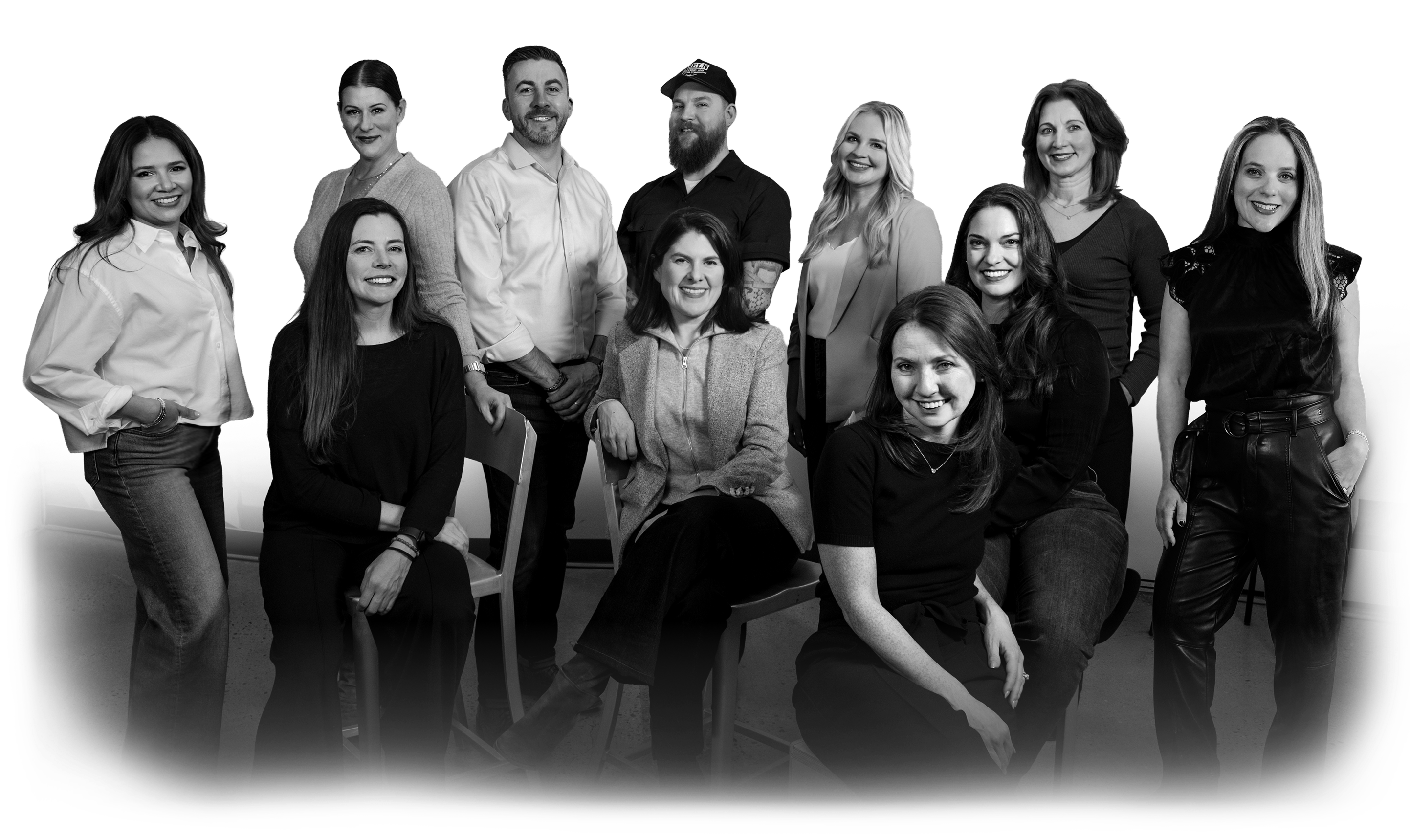
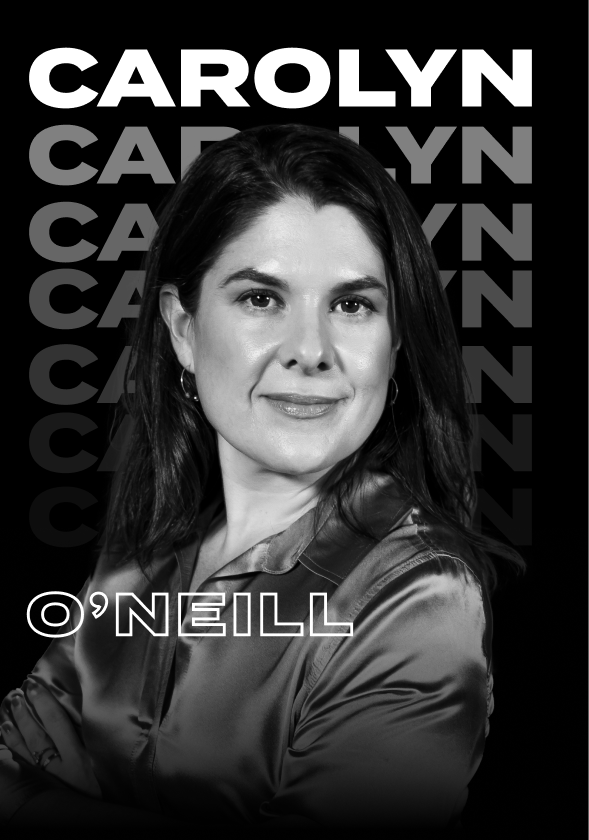

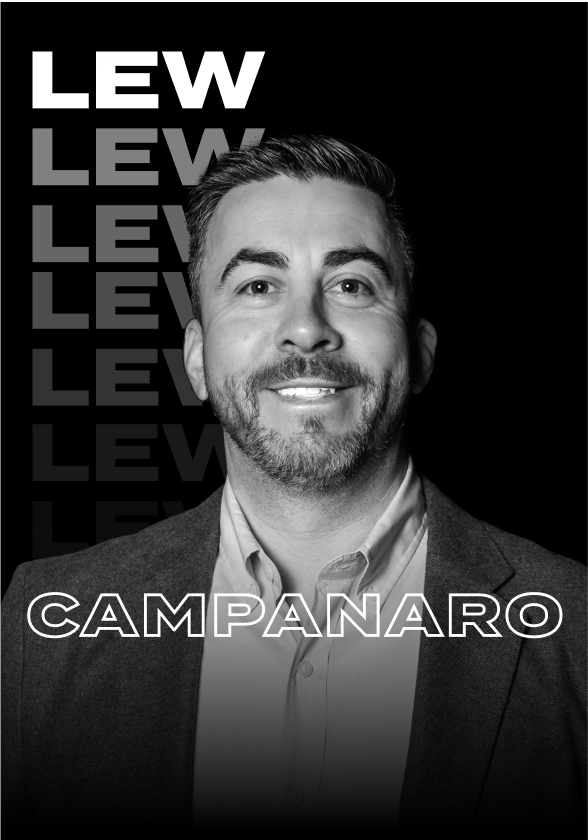
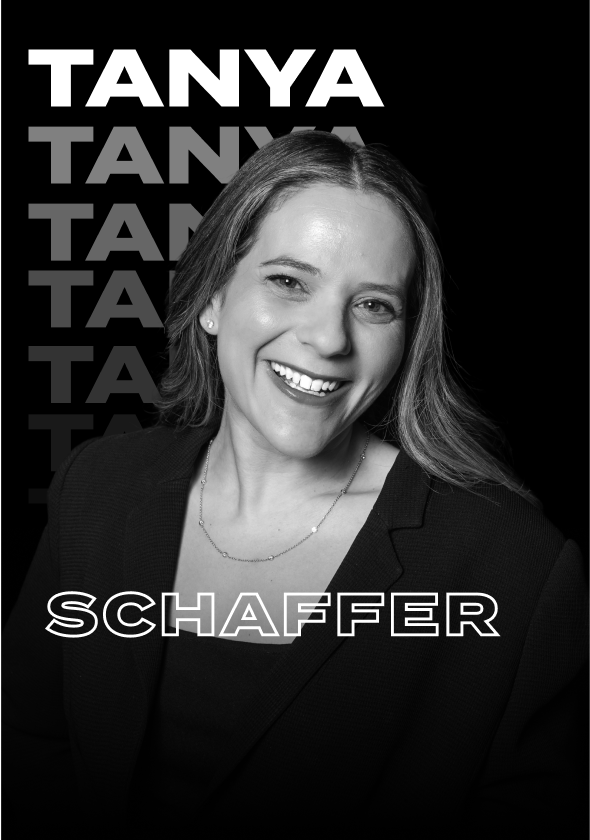
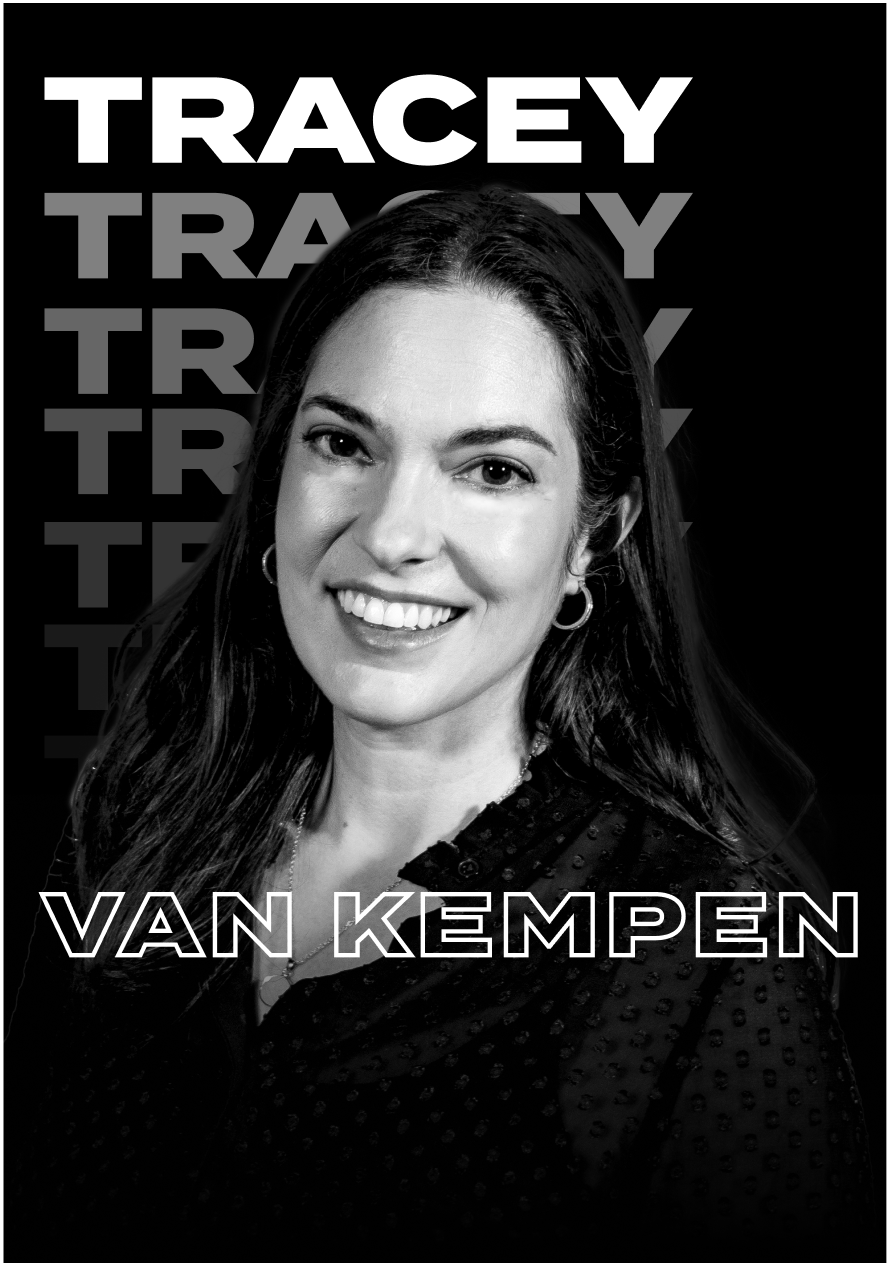
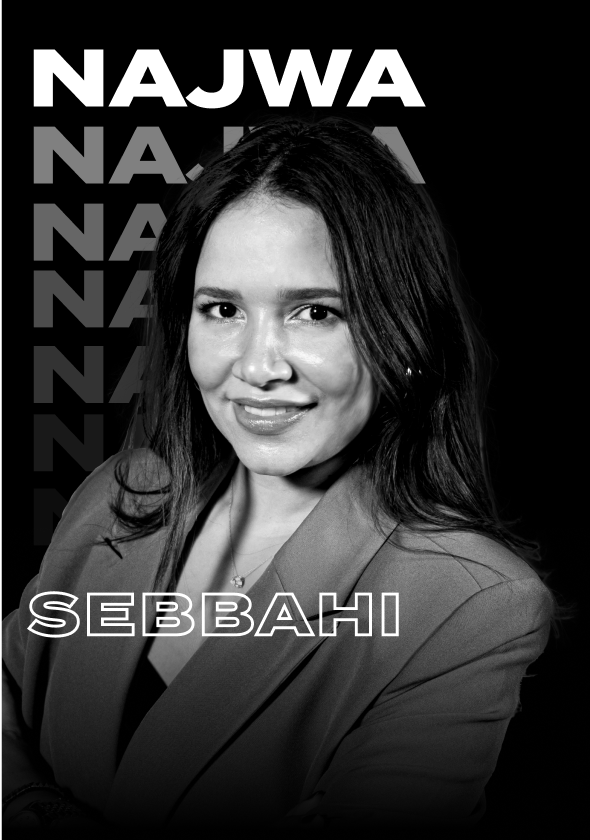

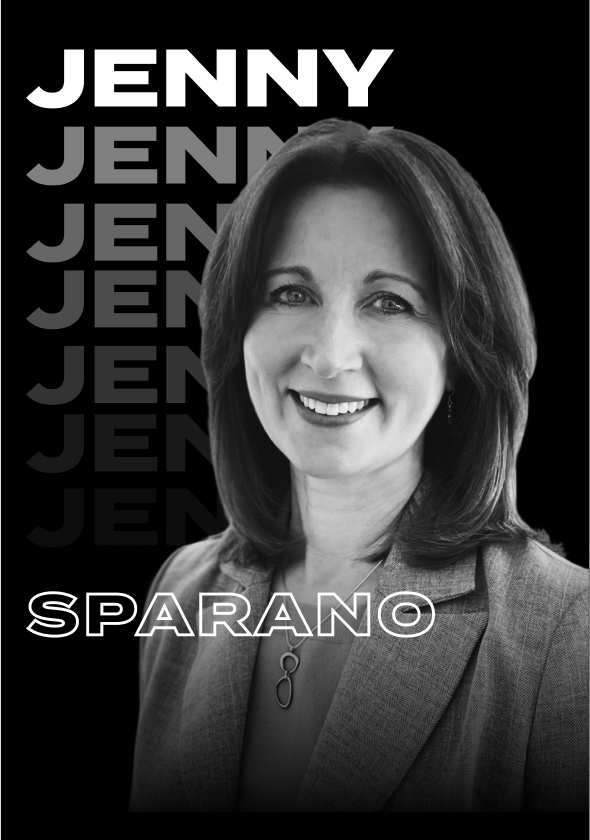

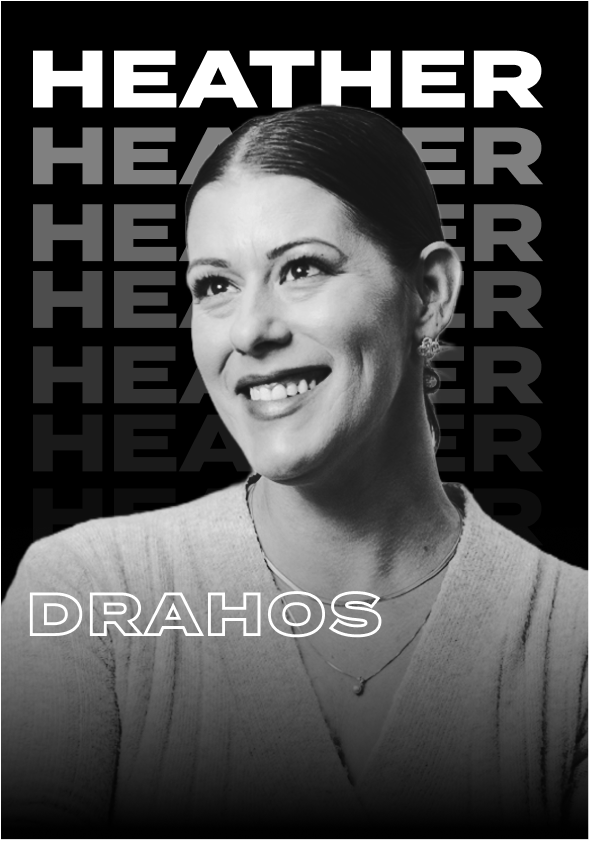
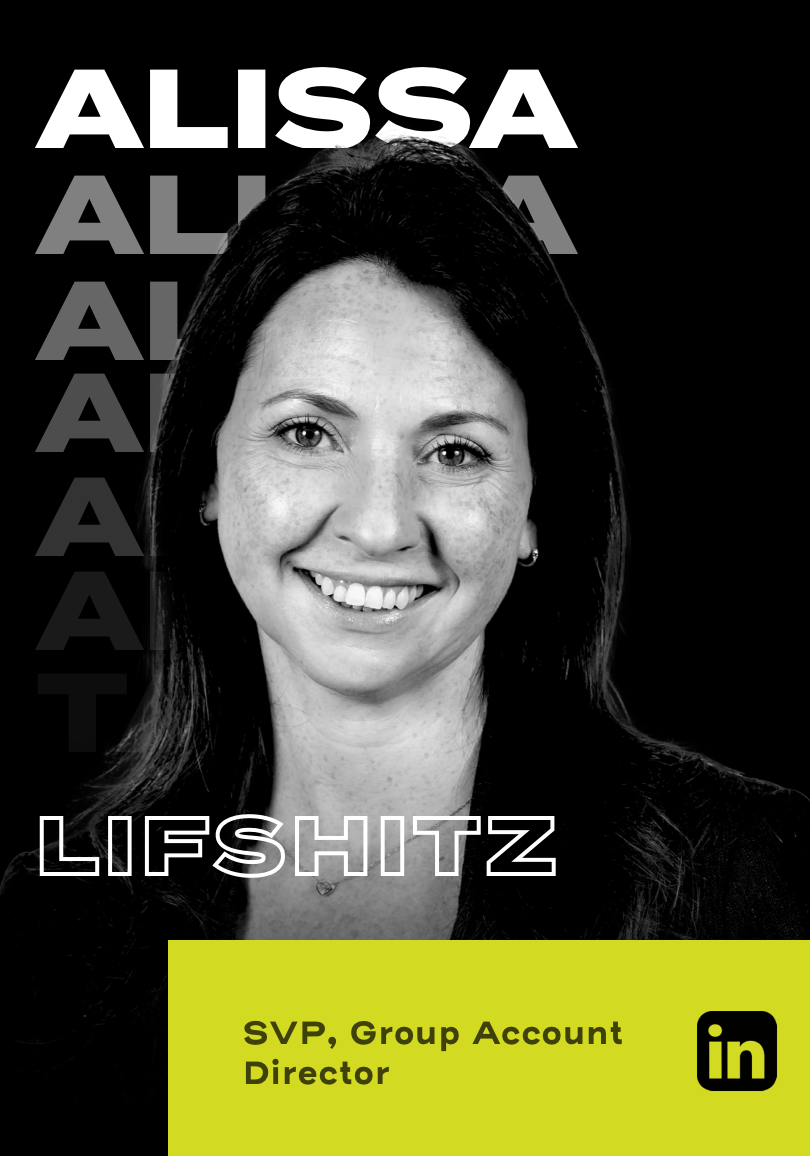

Meet our leadership team
HOW WE THINK
Every individual perspective propels our collective impact. See what’s on our minds.
AI as a Catalyst for Human Ingenuity
It's easy to get caught up in the noise around AI. Headlines swing between idealistic hope for the future and doomsday preparation (with fear of hallucinations along the way.) But for those of us working in healthcare advertising, the conversation needs to be more grounded.
Our customers aren't just inundated with messages, they're navigating a world where trust, authenticity, and credibility are harder to earn than ever. In that environment, technology alone is not equipped to handle that level of responsibility. For brands to succeed and thrive, they need to connect in ways that feel real, thoughtful, and deeply human.
At PHC, we see AI not as a replacement for creativity, but as a catalyst for it. Our work remains grounded in real connections, human judgment, and exceptional craft. Our official approach to AI is simple: Human-first, AI-augmented.
What does that mean in practice?
- AI amplifies; it doesn't replace. We use AI to help tackle the mundane, repetitive tasks that slow teams down, freeing up time for the strategic and creative work that matters most. It helps us explore ideas faster, test possibilities, and unlock creative directions we might not have discovered otherwise
- The human experience remains at the center. The ideas, the insight, and the empathy behind the work still come from people. We believe that AI is in service of that, not the other way around
- Governance is a deeply ingrained commitment. In a regulated industry like healthcare, responsible AI use isn't optional. As our brands move through the phases of commercialization, we're investing in the right tools, building new workflows, and ensuring our teams are equipped to make decisions confidently and accountably
Agility Is the New Launch Strategy
For years, pharmaceutical launches followed a familiar playbook: build the plan, align the teams, execute against a clear regulatory path, PDUFA comes, launch is executed.
Today, that playbook is being rewritten weekly, it seems.
Regulatory expectations are ever evolving. FDA scrutiny is intensifying. Timelines are shifting and changing overnight as additional data, new guidance, deeper evidence expectations, or new voucher programs emerge. In this environment, the idea of a perfectly linear launch plan is downright unrealistic.
What separates successful organizations now isn’t simply strong planning (while still imperative), it’s the ability to operate with agility.
Launch teams need strategies that can adapt to constantly evolving regulatory realities, where timelines shift, expectations change, and plans may accelerate one moment only to slow the next. Teams must be ready to pivot from promotion to awareness, from near-term launch execution to longer-term market shaping, without losing momentum or confidence.
Meeting this challenge requires a new launch mindset for both agencies and clients: one grounded in resilience, transparency, and strong cross-functional alignment.
Because in today’s environment, the question isn’t whether uncertainty will occur. It’s whether your organization is built to navigate it.
The future of launches won’t belong to the most rigid plans. It will belong to the teams that are strategically agile enough to adapt, time and time again.
The Conditions for Creativity
Creativity is often treated as a special talent, owned by a select few or tied to a title—something reserved for those in “creative” roles. But in reality, creativity isn’t confined to a role, and it doesn’t show up by chance. It shows up when the right conditions are in place, and those conditions are shaped by mindset. It’s something everyone can tap into, regardless of role.
When teams operate with a positive mental attitude, they think more openly, take calculated risks, and spend less time second-guessing. That shift creates energy—the kind that fuels curiosity and an “imagine if we…” mindset, even when the biggest creative challenges are in front of us.
As positivity flows, constraints stop feeling like stop signs and start looking like opportunities. The brief is no longer a box to work inside of. It becomes a launchpad for where we can go.
Building conditions for creativity doesn’t sit with one department. It belongs to all of us. Whether shaping the work directly or creating the space for it, we each play a role in building an environment where ideas can grow.
For our clients, that means more thoughtful, unique solutions that move their business forward and open new possibilities. For our internal teams, it builds a culture of trust and shared ownership. And for the brands we shape, it leads to ideas that connect more deeply, resonate more clearly, and live in the world with purpose.
Create the conditions for creativity, and everyone wins: the business, the caregivers, the doctors, and the patients they serve.
Vulnerability in the Workplace–a Culture Shift
We’ve all been there. “Everyone seems so confident…maybe I shouldn’t speak up.” Or “I don’t know the answer, should I just stay quiet?” Or my personal favorite, “I kind of disagree with that…should I say something?”
In the workplace, it can feel like we need to have all the answers or present ideas in a perfectly polished way to be successful. But the moments that actually build the most trust and the strongest teams are the ones where we allow ourselves to be a little vulnerable.
At first glance, vulnerability can seem like a weakness. In reality, it is one of the most important elements of effective leadership. It signals clarity, honesty, and courage. When leaders are willing to say “I don’t know,” ask for input, or admit when they might be wrong, it creates space for others to contribute. Vulnerability gives everyone on a team, regardless of level, permission to share ideas, ask questions, and challenge thinking.
This is also where psychological safety comes in. When people feel safe to think out loud and learn together, teams solve problems faster and produce stronger ideas. Research consistently shows that environments where people feel comfortable sharing unfinished thoughts or different perspectives lead to better innovation and stronger outcomes.
But there is an important second step. Once that creative spark is there, we cannot value polish over progress. Some of the best strategies and creative ideas did not begin as perfect presentations. They started as rough concepts, quick sketches, or thoughts shared in the moment (or even better — scrawled on the back of a napkin).
When leaders create a culture of curiosity and openness, ideas have room to grow. And when ideas grow, so do the people behind them.
From Culture to Creativity: Why the Best Ideas Start With Belonging
Big ideas don’t happen by accident. They happen where people feel free to think differently. At Propel Health
Communications, culture isn’t just a buzzword—it’s the engine that drives our work and the reason we show up every
day with purpose. As an agency rooted in rare disease and specialty brands, our culture is our creative advantage.
It fuels how we think, how we collaborate, and how we make meaningful connections with the people and communities we
serve.
We believe that great work starts with intention, grows through inspiration, thrives on integrity, and shines with
individuality. These values guide everything we do—from the strategies we shape to the partnerships we build.
They’re not just part of our mission; they’re how we live.
At Propel, we create space for bold ideas, celebrate diverse perspectives, and never lose sight of why we’re here:
to make a real difference. Whether we’re launching a brand, crafting a campaign, or simply sharing a coffee and a
brainstorm, we lead with heart and hustle.
Our culture is why clients trust us. It’s why teammates stay. And it’s why we continue to grow—not just in size, but
in strength, purpose, and possibility.
Our commitment as leaders is to protect, preserve, and evolve our culture, because culture isn’t static: it evolves,
adapts, and grows as our agency does. It’s what makes us a thriving destination. When we build a workplace where
people thrive, the agency thrives, and our clients feel the difference. Culture can’t be created—it’s built, day by
day, brick by brick, by the people who believe in what we’re creating. We’re incredibly proud of what we’ve built at
PHC—and even more excited for where we’re headed. Because when culture leads, everything else follows.
True North in Rare Disease: Follow the Patient Voice
In rare disease communities, patients and caregivers are more than just stakeholders—they are the experts of
their lived experience.
Unlike more prevalent conditions, rare diseases often lack widespread awareness, robust data, and established
treatment pathways. As such, the firsthand insights of what it’s like to live with the condition become
increasingly important to closing these gaps and facilitating meaningful change.
For pharmaceutical companies, improving patient outcomes is the driving force behind efforts to develop
game-changing treatments. Yet too often, engagement with patent communities is limited to one-off collaborations
vs a commitment to ongoing dialogue.
Imagine what’s possible if we partner with patients early and bring them to the table consistently to share
their perspectives or co-create resources throughout a brand’s lifecycle. There are opportunities during the
research and development phase to allow the patient voice to inform clinical trial endpoints and trial
recruitment and retention best practices. Similarly, patients can provide information that is instrumental to
shaping market access strategies, disease education, and treatment support and adherence programs.
In the rare disease space, where information and data tend to be limited, patient partners can help companies
better understand the real-world impact of a condition from diagnostic delays to daily challenges of living with
the condition—physically, mentally, financially, logistically, and socially.
Companies that move beyond transactional patient engagement and continuously seek to listen, collaborate, and
act on patient insights build stronger, more trusted relationships with the rare disease communities they serve.
When the patient voice is the North Star, innovation leads to impact, including successful brands and improved
patient experiences.
The Power of Big Ideas in Advertising: Creating Momentum That Lasts
In the ever-evolving landscape of advertising, the difference between a fleeting campaign and one that drives real
impact lies in the strength of the idea behind it. Conventional advertising often focuses on building awareness and
sparking initial interest, but great advertising goes beyond recognition—it creates momentum. This momentum is what
transforms an idea from a simple message into a movement, one that resonates with both consumers and healthcare
professionals in meaningful ways.
Big ideas in advertising do more than just capture attention; they shift behavior and foster engagement. To achieve
this, brands must move beyond self-centered messaging and meet audiences where they are. By crafting campaigns that
seamlessly integrate into consumers’ lives, whether through cultural relevance, emotional connections, or innovative
storytelling, advertisers can create enriching experiences that feel authentic and impactful.
The most powerful advertising campaigns are those that people talk about without being prompted. These are the campaigns
that make headlines, gain organic traction, and even attract the involvement of cultural icons or influencers. They
don’t just exist in one space; they evolve, spreading across different channels and adapting to different audiences. A
campaign with true momentum doesn’t remain static; it grows, shifts, and continues to engage long after its initial
launch.
Momentum in advertising is not just about visibility; it is about driving demand and inspiring action. It has the power
to influence consumer choices, shape industry trends, and, in the case of healthcare marketing, even propel health
forward by encouraging positive behavioral change. When advertising moves beyond the transactional and becomes
transformational, it has the potential to leave a lasting imprint on culture, communities, and ultimately, people’s
lives.
The brands that succeed in today’s fast-paced world are those that understand the power of big ideas and the momentum
they create. They recognize that impactful work is not just about selling a product but about starting a conversation,
fostering connection, and inspiring real change. By embracing this approach, advertisers can go beyond short-term gains
and build brands that truly stand the test of time.
HOW WE ROLL
OUR CULTURE IS GROUNDED IN THE "Four i's" OF
OUR CORE VALUES: INTENTION, INSPIRATION,
INDIVIDUALITY, AND INTEGRITY.
We leave egos behind and focus on how much is
possible when we work together. Together, we
create mango magic.
HOW WE ROLL
OUR CULTURE IS GROUNDED IN THE "4iS" OF OUR CORE VALUES: INTENTION, INSPIRATION,INDIVIDUALITY, AND INTEGRITY.
We leave egos behind and focus on how much is possible when we work together. Together, we create mango magic.
SHARED COMMITMENT
Our committees reflect shared values, commitments, and the joy we find in working together toward a common purpose.

A commitment to collective growth, balancing collaborative live gatherings with remote work

Dedication to advancing and amplifying women’s leadership and careers through programming

Driving intentional action toward equity, inclusion, and representation

Building connection, support, and inspiration in a remote workplace

Championing LGBTQ+ inclusion, visibility, and advocacy within Propel